Step-by-Step Guide to Growing Your Business with Content
Learn how to grow business with content using this step-by-step guide. Discover effective strategies to boost engagement and drive growth.

25+ years in digital marketing | StoryBrand Certified Guide | HubSpot Platinum Partner | Author of 'Building a Business That Lasts'
The Power of Content for Business Growth
To grow business with content, small businesses must harness the strength of well-planned content marketing strategies. Where people spend an average of 7 hours a day consuming online content, leveraging digital content has become essential for expanding your reach and driving growth without busting your budget.
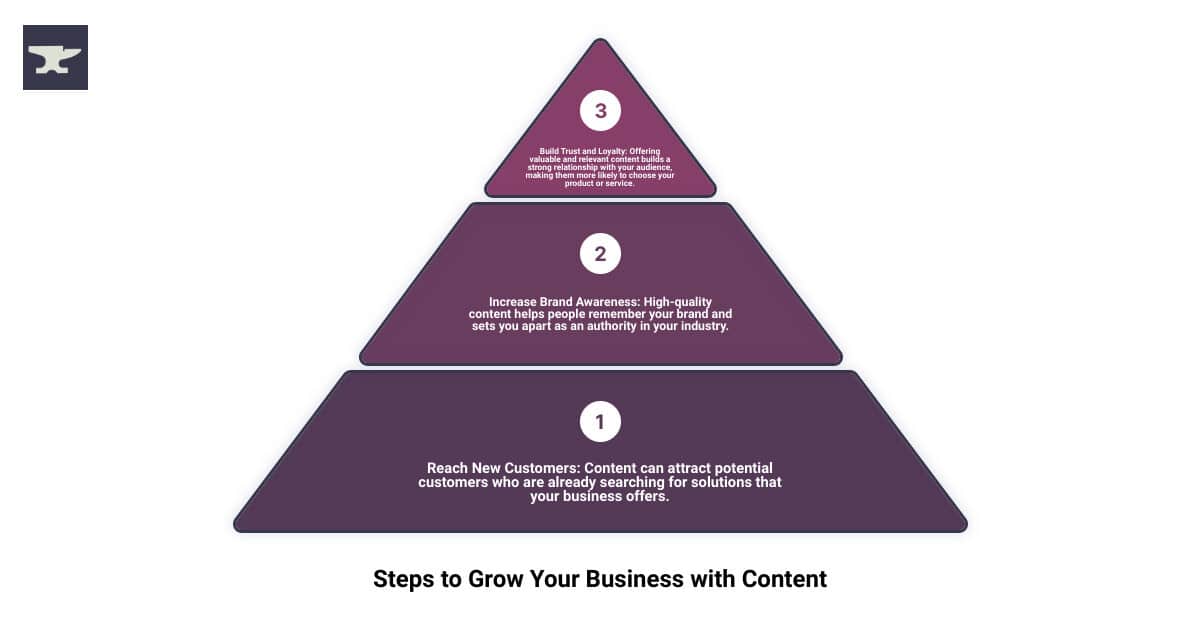
Here's why businesses turn to content marketing to spark growth: - Reaches new customers: Content can attract potential customers who are already searching for solutions that your business offers. - Increases brand awareness: High-quality content helps people remember your brand and sets you apart as an authority in your industry. - Builds trust and loyalty: Offering valuable and relevant content builds a strong relationship with your audience, making them more likely to choose your product or service.
By focusing on creating quality, targeted content, you can not only engage your audience but also convert them into loyal customers.
I'm Jay Owen, CEO of Business Bldrs, and for over 25 years, I've been helping businesses grow and thrive using effective content strategies. Let me guide you through practical and proven methods to grow business with content.

Grow business with content terms made easy: - They Ask You Answer Methodology - branding strategies for startups - digital marketing growth strategies
Understanding Content Marketing
What is Content Marketing?
Content marketing is about creating and sharing valuable content to attract and engage your target audience. Instead of pushing your products or services, you provide useful information that solves problems or answers questions. This builds trust and positions your brand as a go-to resource.
Types of Content: - Blog Posts: Great for sharing expertise and boosting SEO. - Videos: Perfect for product demos or how-to guides. - Infographics: Visuals that simplify complex information. - Social Media Posts: Quick updates and engagement with your audience. - Ebooks and Whitepapers: In-depth content that offers substantial value.
Content marketing isn't just about creating content; it's about creating the right content for the right audience at the right time.
Why is Content Marketing Important?
Content marketing is crucial for several reasons:
1. Boosts Brand Awareness: Quality content helps people remember your brand. When potential customers see your content, they start recognizing your brand. According to HubSpot, 29% of companies use content marketing to increase brand awareness.
2. Improves Customer Retention: Engaging content keeps your audience coming back. When you provide consistent value, customers are more likely to stay loyal. Content like newsletters and regular blog updates can keep your audience engaged and informed.
3. Drives Lead Generation: Content marketing generates three times more leads than outbound marketing and costs 62% less. By offering valuable information, you attract potential customers who are already interested in what you offer.
4. Improves SEO: Content marketing helps improve your search engine rankings. High-quality, keyword-rich content can boost your visibility on search engines, driving more organic traffic to your site.
5. Builds Trust and Authority: When you consistently provide valuable and relevant content, you build trust with your audience. This positions your brand as an authority in your industry, making customers more likely to choose your products or services.
Strategies for Effective Content Marketing:
-
Understand Your Audience: Use tools like Google Analytics and social media insights to understand your audience's needs and preferences.
-
Set Clear Goals: Define what you want to achieve with your content. Whether it's increasing traffic, generating leads, or boosting sales, having clear goals helps you measure success.
-
Create a Content Calendar: Plan your content in advance. A content calendar helps you stay organized and ensures you consistently publish new content.
-
Focus on Quality: Create high-quality content that provides real value. Avoid thin content that offers little to no value.
-
Promote Your Content: Use social media, email marketing, and other channels to promote your content and reach a wider audience.
By understanding and implementing these strategies, you can effectively use content marketing to grow your business, increase brand awareness, and build lasting relationships with your customers.
Identifying Your Target Audience
To create content that resonates, you must know exactly who you're speaking to. This is where identifying your target audience comes in. Let's break it down into two key steps: creating customer personas and understanding audience needs.
Creating Customer Personas
A customer persona is a detailed description of someone who represents your target audience. This persona is based on real data about your existing customers and market research. Here’s how to create one:
1. Gather Data: - Google Analytics: Use this tool to understand demographics, interests, and behaviors of visitors to your site. - Surveys: Ask your customers directly about their preferences, challenges, and goals. - Feedback: Collect feedback through reviews, comments, and customer service interactions.
2. Define Demographics: - Age: What age group are you targeting? - Gender: Is your content aimed at a specific gender? - Location: Where do your customers live? - Income Level: What is their income range?
3. Understand Psychographics: - Interests: What are their hobbies and interests? - Values: What do they care about most? - Lifestyle: What is their daily routine like?
4. Identify Motivations: - Goals: What are they trying to achieve? - Pain Points: What problems are they looking to solve? - Buying Behavior: What influences their purchasing decisions?
By combining these elements, you create a clear picture of your ideal customer. This helps you tailor your content to meet their specific needs and preferences.
Understanding Audience Needs
Knowing your audience's needs is crucial for creating content that engages and converts. Here’s how to get a deep understanding of what your audience wants:
1. Identify Pain Points: - Surveys and Feedback: Ask your audience about their biggest challenges. - Social Media and Forums: Look for common complaints and questions in your niche.
2. Understand Interests: - Content Engagement: Track which topics get the most views, likes, and shares. - Competitor Analysis: See what type of content is resonating with your competitors' audiences.
3. Analyze Behavior: - Website Analytics: Use tools like Google Analytics to see how users interact with your content. Look for patterns in page views, time on page, and bounce rates. - Behavioral Data: Track how users steer your site and what actions they take, such as signing up for a newsletter or making a purchase.
By understanding these aspects, you can create content that not only attracts but also retains your audience. This deep connection with your audience is essential for growing your business with content.
Next, we'll dive into Developing a Content Strategy to ensure your content efforts are well-planned and effective.
Developing a Content Strategy
Creating a solid content strategy is crucial for growing your business. It involves planning, organizing, and executing your content in a way that aligns with your goals. Let’s break it down into two essential parts: conducting keyword research and creating a content calendar.
Conducting Keyword Research
Keyword research is the foundation of your content strategy. It helps you understand what your audience is searching for and how you can meet their needs.
1. Tools to Use: - Google Keyword Planner: This free tool helps you find new keywords related to your business and see estimates of the searches they receive. - SEMrush: A comprehensive tool that provides keyword volume, competition, and trends.
2. Steps to Follow: - Identify Seed Keywords: Start with broad terms related to your business. - Expand Your List: Use tools to find related keywords and phrases. - Analyze Competition: Look at the keywords your competitors are ranking for. - Evaluate Keyword Volume: Focus on keywords with a good search volume but not too much competition.
3. Practical Tips: - Long-Tail Keywords: These are more specific phrases and often less competitive. They can attract highly targeted traffic. - User Intent: Understand what users want to achieve when they search for a keyword. Are they looking for information, ready to buy, or just browsing?
Example: If you run a local bakery, you might start with seed keywords like "bakery" or "cakes." Using Google Keyword Planner, you can find related terms like "best bakery in [Your City]" or "custom birthday cakes."
Creating a Content Calendar
A content calendar helps you organize and schedule your content. It ensures consistency and allows you to plan ahead.
1. Organization: - Content Types: Decide what types of content you will create (e.g., blog posts, videos, social media posts). - Themes: Plan content around specific themes or campaigns.
2. Scheduling: - Frequency: Determine how often you will publish new content. Consistency is key. - Key Dates: Include important dates like holidays, product launches, or events.
3. Tools to Use: - Google Calendar: Simple and easy to use for scheduling. - Excel Spreadsheets: Great for detailed planning and tracking.
4. Steps to Follow: - Plan Ahead: Schedule content at least a month in advance. - Assign Tasks: Clearly define who is responsible for creating, editing, and publishing each piece of content. - Review and Adjust: Regularly review your calendar and make adjustments as needed.
Example: For your bakery, you might plan a series of blog posts around holiday baking tips in November and December. Schedule social media posts to promote each blog post and include key dates like National Cake Day.
By conducting thorough keyword research and maintaining an organized content calendar, you can ensure your content efforts are well-planned and effective. This strategic approach is essential for growing your business with content.
Next, we'll explore Creating High-Quality Content, where we'll discuss blogging, videos, and social media posts.
Creating High-Quality Content
Creating high-quality content is the backbone of a successful content strategy. It helps you connect with your audience, demonstrate your expertise, and drive traffic to your business. Let's explore the key elements of high-quality content: blogging, videos, and social media posts.
Blogging for Business Growth
Blogging is a powerful tool to grow your business. It helps with SEO, showcases your expertise, and keeps your audience engaged with regular updates.
1. SEO Benefits: - Keywords: Use keywords from your research to optimize your blog posts. - Backlinks: High-quality content attracts backlinks, boosting your SEO.
2. Expertise Demonstration: - In-Depth Articles: Write detailed posts that solve problems for your audience. - Case Studies: Share success stories and real-life examples.
3. Regular Publishing: - Consistency: Publish regularly to keep your audience engaged. - Content Calendar: Use your content calendar to schedule posts in advance.
Example: A local bakery could write blog posts on topics like "Top 10 Tips for Perfect Cupcakes" or "How to Choose the Best Wedding Cake."
Utilizing Video Content
Video content is incredibly engaging and can help you connect with your audience on a deeper level. Platforms like YouTube are perfect for sharing video content.
1. YouTube: - Product Demos: Show how your products work in real life. - How-To Videos: Provide tutorials that solve common problems.
2. Social Media Videos: - Short-Form Content: Create short videos for platforms like Instagram and TikTok. - Testimonials: Share customer testimonials to build trust.
Example: The bakery could create a YouTube video demonstrating how to decorate a birthday cake or share a customer's testimonial about their wedding cake experience.
Leveraging Social Media
Social media is essential for promoting your content and engaging with your audience. Choose the right platforms and tailor your content to each one.
1. Platform Selection: - Facebook: Great for sharing blog posts and engaging with a broad audience. - Instagram: Perfect for visual content like photos and videos. - LinkedIn: Ideal for B2B content and professional networking.
2. Audience Engagement: - Interactive Posts: Use polls, Q&A sessions, and live videos to engage your audience. - User-Generated Content: Share content created by your customers.
3. Content Promotion: - Teasers: Create short teasers to promote your blog posts and videos. - Consistent Posting: Maintain a regular posting schedule to keep your audience engaged.
Example: The bakery could share beautiful photos of their cakes on Instagram, post links to their blog posts on Facebook, and share industry insights on LinkedIn.
By focusing on high-quality content through blogging, videos, and social media, you can effectively grow your business with content. Next, we'll explore Promoting Your Content, where we'll discuss organic social media promotion, paid ads, and email marketing campaigns.
Promoting Your Content
Creating high-quality content is just the beginning. To truly grow your business with content, you need to promote it effectively. This section will cover organic social media promotion, paid advertising strategies, and email marketing campaigns.
Organic Social Media Promotion
Organic social media promotion is all about sharing your content on platforms like Facebook, Twitter, and LinkedIn without spending money on ads.
1. Facebook: - Engaging Posts: Share blog posts, videos, and updates. Use eye-catching images and compelling headlines. - Groups: Join relevant groups and share your content there. Engage with group members to build relationships.
2. Twitter: - Tweets: Share links to your content with short, engaging messages. Use hashtags to increase visibility. - Engagement: Retweet and reply to comments to keep the conversation going.
3. LinkedIn: - Professional Content: Share blog posts, articles, and industry news. Tailor your content for a professional audience. - Networking: Connect with industry leaders and participate in discussions.
Example: A local bakery could post a tutorial video on decorating cupcakes on Facebook, tweet a link to their latest blog post about baking tips, and share a professional article on LinkedIn about the business of running a bakery.
Paid Advertising Strategies
Paid advertising can help you reach a broader audience and drive more traffic to your content.
1. Budgeting: - Set a Budget: Determine how much you can spend on ads. Start small and adjust based on performance. - Allocate Funds: Divide your budget across different platforms and ad types.
2. Targeting: - Audience Segmentation: Use data to target specific demographics, interests, and behaviors. - Retargeting: Show ads to people who have already visited your website or interacted with your content.
3. Influencer Marketing: - Partner with Influencers: Collaborate with influencers who have a loyal following. They can promote your content to their audience. - Sponsored Posts: Pay influencers to create content featuring your products or services.
Example: The bakery could run Facebook ads targeting local food enthusiasts, use retargeting ads for people who visited their website, and partner with a local food blogger to promote their products.
Email Marketing Campaigns
Email marketing is a powerful tool for keeping your audience engaged and driving them back to your content.
1. Newsletters: - Regular Updates: Send out newsletters with links to your latest blog posts, videos, and news. - Engaging Content: Include valuable tips, exclusive offers, and behind-the-scenes content.
2. DRIP Campaigns: - Automated Emails: Set up a series of automated emails to nurture leads over time. - Personalization: Use the recipient's name and tailor the content based on their interests.
3. Call to Action: - Clear Instructions: Include a clear call to action in every email. Whether it's reading a blog post, watching a video, or making a purchase, make it easy for them to take the next step.
Example: The bakery could send a monthly newsletter with baking tips, a DRIP campaign offering a series of baking tutorials, and emails with a call to action to visit their blog or purchase a special holiday cake.
By effectively promoting your content through organic social media, paid ads, and email marketing campaigns, you can significantly boost your reach and engagement. Next, we'll explore Measuring Content Performance, where we'll discuss key performance indicators (KPIs) and analyzing results.
Measuring Content Performance
Key Performance Indicators (KPIs)
To grow your business with content, you need to measure how well your content is performing. Key Performance Indicators (KPIs) are the metrics that help you understand this. Here are some essential KPIs to track:
- Pageviews: This tells you how many times your content has been viewed. It's a basic but important metric.
- Time on Page: This shows how long visitors stay on a page. More time usually means they find the content valuable.
- Bounce Rate: This is the percentage of visitors who leave after viewing only one page. A high bounce rate can indicate that your content isn't engaging.
- Exit Rate: This tells you the percentage of visitors who leave your site from a specific page. It helps identify pages that may need improvement.
Using tools like Google Analytics can make tracking these KPIs easier.
Analyzing Results
Once you have your KPIs, the next step is to analyze the results. Here's how you can do it effectively:
- Traffic Sources: Identify where your visitors are coming from. Are they finding you through search engines, social media, or direct visits? This helps you understand which channels are most effective.
- Conversion Rates: This metric shows the percentage of visitors who take a desired action, like signing up for a newsletter or making a purchase. High conversion rates indicate that your content is compelling and effective.
- User Engagement: Look at how users interact with your content. Do they share it on social media? Do they leave comments? High engagement levels are a good sign that your content resonates with your audience.
By regularly checking these metrics, you can make data-driven decisions to improve your content strategy. For example, if you notice that a blog post has a high bounce rate, you might need to make the content more engaging or relevant.

Using social media analytics tools, like HubSpot Social Media Management Software, can also help you track how well your content is performing on different platforms.
By understanding and analyzing these metrics, you can refine your content strategy to better meet your audience's needs and drive business growth. Next, we'll explore Frequently Asked Questions about Growing Your Business with Content to address common queries and provide additional insights.
Frequently Asked Questions about Growing Your Business with Content
What is a content strategy for growth?
A content strategy for growth is a plan that outlines how you will use content to achieve your business goals. It involves several key steps:
- Content Plan: Start by identifying the types of content that will resonate with your audience. This could include blog posts, videos, infographics, and social media updates.
- Business Goals: Align your content with your business objectives. Whether it's increasing brand awareness, generating leads, or driving sales, your content should support these goals.
- Distribution: Decide where you will publish and promote your content. This could be on your website, social media platforms, or through email marketing.
A well-thought-out content strategy helps you stay organized, focused, and ensures that your content efforts contribute to your business growth.
How is content marketing effective to grow your business?
Content marketing is incredibly effective for business growth for several reasons:
- Audience Engagement: High-quality content engages your audience by providing valuable and relevant information. Engaged audiences are more likely to become loyal customers.
- Brand Awareness: Consistently publishing valuable content helps increase your brand's visibility. The more people see your content, the more they become aware of your brand.
- Expertise: Sharing insightful content positions your business as an authority in your industry. This builds trust and credibility with your audience.
For instance, a small business that regularly publishes helpful blog posts about its industry can attract a larger audience, leading to increased sales and customer loyalty.
How does content help business?
Content helps businesses in multiple ways:
- Brand Awareness: Quality content can make your brand more recognizable. People who find your content valuable are more likely to remember your brand and recommend it to others.
- Customer Attraction: Content that addresses the pain points and interests of your target audience can attract new customers. For example, a well-written how-to guide can draw in people looking for solutions to specific problems.
- Loyalty: Consistent, valuable content keeps your audience coming back. This builds a loyal customer base that trusts your brand and is more likely to make repeat purchases.
By focusing on creating and distributing valuable content, you can effectively grow your business and achieve long-term success.
For more tips on how to grow your business with content, check out our next section on Creating High-Quality Content.
Conclusion
At Business Bldrs, we believe that a comprehensive blueprint approach is essential for growing your business with content. Our method starts with understanding what makes your brand unique and translating that into a compelling narrative that resonates with your target audience.
Comprehensive Blueprint Approach
We work closely with you to uncover your unique value proposition. By doing so, we can craft a brand story that not only attracts but also engages your audience. This approach ensures that every piece of content you create aligns with your overall business goals and customer needs.
Targeted Content
Creating targeted content is crucial for effective content marketing. Whether it's blog posts, social media updates, or videos, each piece of content should reinforce your brand message and drive customer engagement. For instance, 69% of B2B marketers plan to invest in video content in 2024, recognizing its powerful impact on audience engagement and message conveyance.
Business Growth
Our customer-centric approach focuses on clarifying your message and guiding your customers through their journey. This not only improves your marketing results but also drives significant business growth. By consistently producing high-quality, relevant content, you can increase brand awareness, attract new customers, and build loyalty among existing ones.
Ready to transform your brand story? Learn how Business Bldrs can help you craft your brand story today!

By following these strategies, you can effectively grow your business with content. The key is to stay consistent, focus on your audience’s needs, and continually optimize your content strategy based on performance insights.
For more tips on creating high-quality content, check out our next section on Creating High-Quality Content.
Ready to Grow Your Business?
Put these insights into action with our expert team. We help businesses like yours achieve measurable results.